
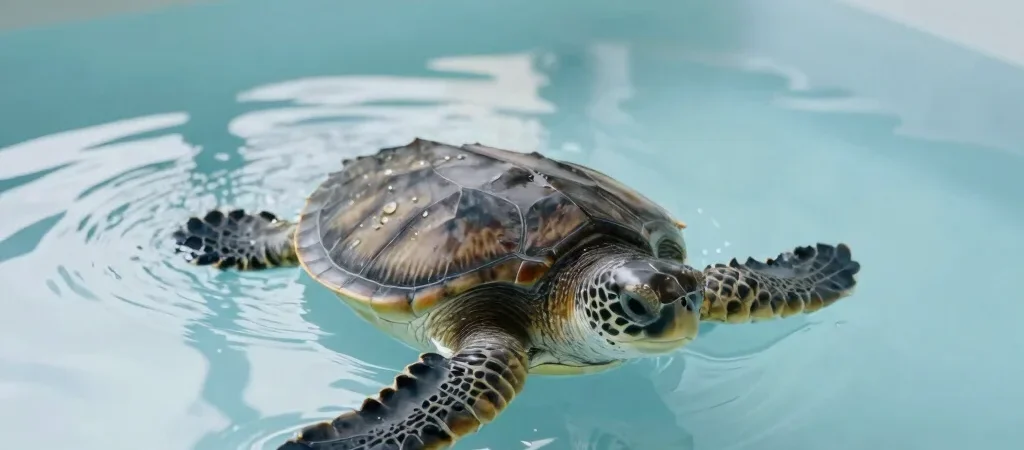
A sea turtle stranded on a Cape Cod beach in late autumn can look still enough to be mistaken for a lost cause. Often, it is cold-stunned: chilled by falling water temperatures until its body slows and it can no longer swim normally. Getting that turtle safely back to the ocean takes more than a quick trip to the shore.
Finding turtles on the beach
As temperatures drop, young sea turtles in Cape Cod Bay can become trapped by the shape of the coastline and stranded on its beaches. Trained volunteers search stretches of sand, especially after high tides and strong winds, looking for turtles washed ashore. Finding one early matters, but handling it carefully matters just as much.
Recovery takes patience
Rescued turtles are brought to rehabilitation facilities, where veterinary teams can warm them gradually and assess their condition. A turtle may need treatment and time to regain strength before it is ready to swim on its own. Care teams make that call based on the animal’s recovery, not on how moving a release-day photograph might be.
The release is one chapter
When a turtle is cleared for release, the return to the water is a hopeful milestone—but it is the end of a long stretch of work by beach walkers, transporters and animal-care staff. Cape Cod’s cold-stunning season shows how local knowledge can make a difference for wildlife. If you find a stranded sea turtle, keep your distance and contact local wildlife authorities rather than trying to return it to the water yourself.