
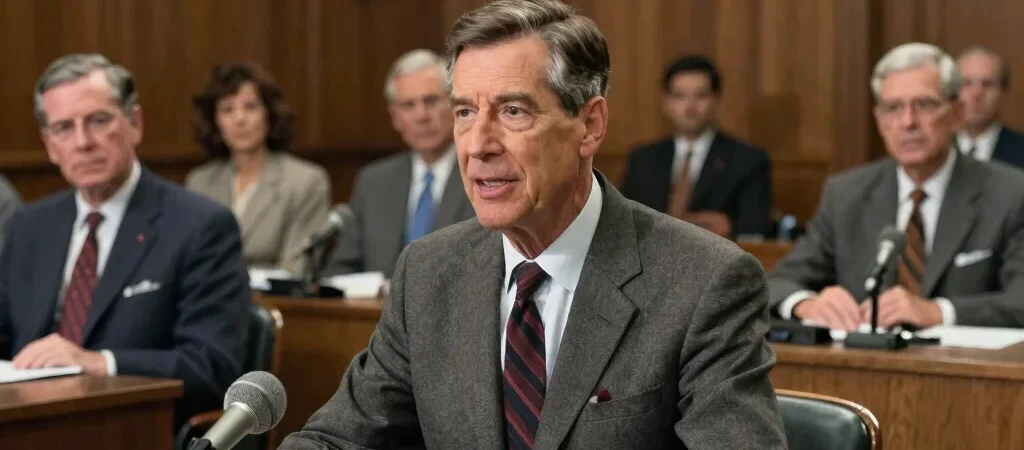
In 1969, public television funding was being debated in Washington, and Fred Rogers sat before a Senate subcommittee to explain why his program mattered. The setting was formal, the subject was money, and the people in the room had plenty of reasons to keep their remarks brief. Rogers chose to talk about what children might carry with them after watching.
A case made in plain words
Rogers spoke about the work behind Mister Rogers’ Neighborhood and the care taken with its young audience. Rather than argue in broad slogans, he described the value of helping children name their feelings and feel understood. It was an unusually personal answer for a budget hearing.
The room changes its tone
Senator John Pastore, who chaired the subcommittee, had approached the exchange skeptically. Rogers recited part of a song from the program, and the conversation shifted from a dispute over funding to a direct explanation of the show’s purpose. Pastore’s response made clear that the testimony had reached him.
The strength of being specific
The hearing is remembered not because Rogers delivered a grand speech, but because he stayed close to the people his work was meant to serve. He answered a policy question with a human one: what does a child need to hear, and why? When making a case for something that matters, a clear example can travel further than a louder argument.